
My educational trip over the past month has truly opened my eyes to the digital revolution sweeping across industries, especially in sports and education. My experience in Sydney gave me a firsthand look at the “strength, reach, and marketability of the online fitness industry.” It’s clear to me that I need to update my Sport Management teaching to incorporate this thriving sector. I was impressed by how young Kiwi professionals are using social media, digital tools, storytelling, photography, videography, and strategic business planning to engage thousands in active lifestyles and monetise their efforts. Seeing their work emphasised the power of digital skills in today’s world.
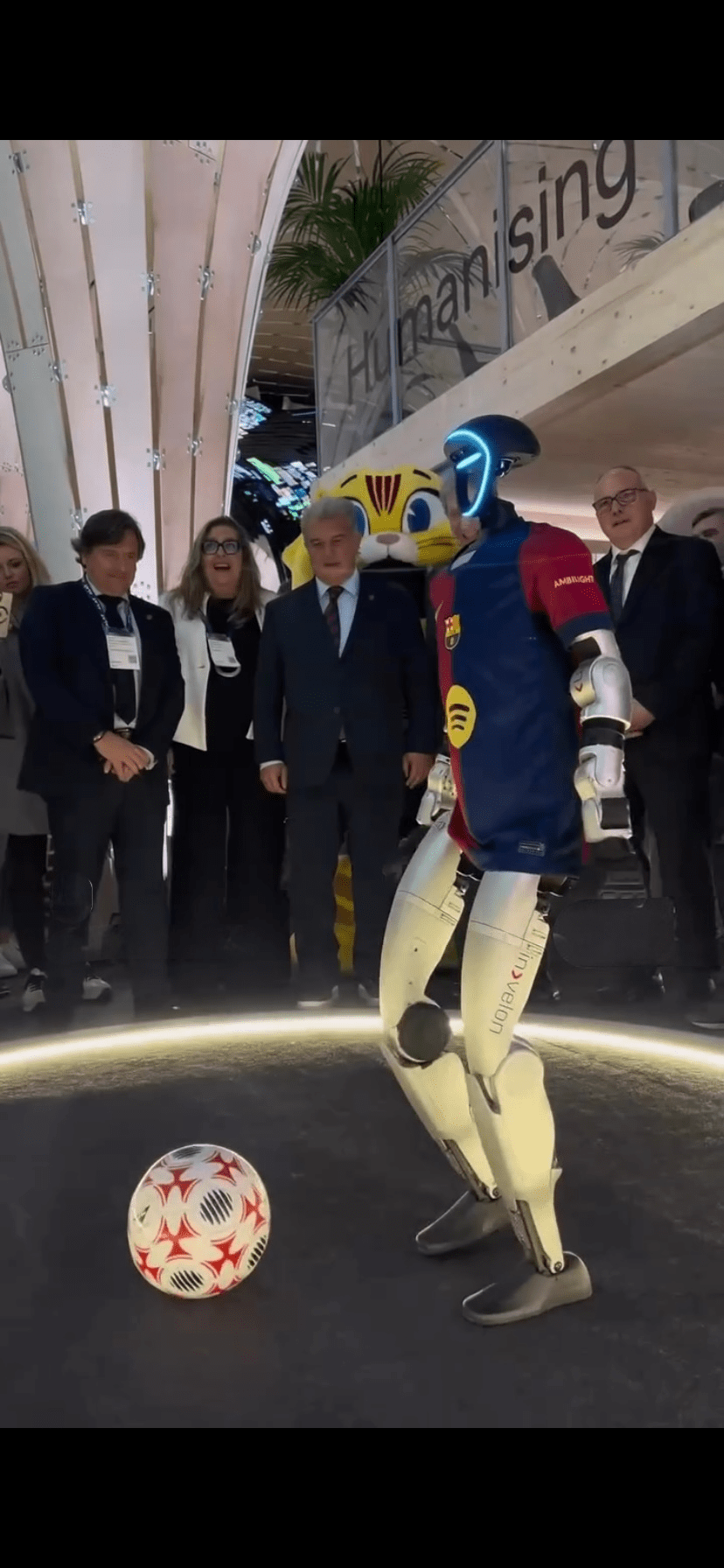
These observations have implications far beyond the fitness world. I realise the urgent need for educators to embrace digital literacy and adapt to this changing landscape. Our education space has to master Web 3.0 and quickly jump on board the Generative AI era as soon as possible. The Mobile World Congress in Barcelona drove this point home, exposing us to the latest tech advancements and their potential across industries, and of course the sport and education industry. A space where FC Barcelona and their Barcelona Innovation Hub is leading the way in connecting the tech and digital world to sport and education. The congress highlighted a “clear digital literacy gap” that we educators need to address to prepare our students for a “Generative AI era.”
This digital gap isn’t just a problem for educators; it’s also a challenge for established organisations (NGO’s) working with communities. I had a valuable exchange with Geoff Thompson, the founder of the Youth Charter, a UK-based NGO with 30 years of experience in developing community coaches and campuses. The challenge to how to better engage and communicate with young people who spend a significant amount of time on their phones is one that still not solved adequately.
This is where I believe our multi-channel approach we developed for the Malakai Alatini Trust Fakataukei mentoring programme can provide a solution. Having had the chance to present our findings in India and Romania validate our innovative solution to multi-channel communication and learning and teaching which can improve engagement, creativity and most importantly in young people, learning. This approach, and others like it, are crucial in bridging this digital divide and ensuring that young people have the skills and support they need to navigate the modern world.
I feel strongly about bridging the gap between industry practices and our educational programmes. We need to equip future professionals with the digital skills they need to succeed. This isn’t just about keeping up; it’s about leveraging the transformative power of technology to reshape education and how we train the next generation.
 Thomas Education NZ